A Guide to Modern Glass Applications
Retailers today face a constant balancing act. Stores need to attract customers, encourage them to explore, highlight products in the best possible light, and create a memorable brand experience. At the same time, retail environments must remain secure, functional, durable, and easy to maintain.
In a competitive landscape shaped by evolving consumer expectations, one material has proven essential in shaping the shopper’s experience: glass.
Glass plays a critical role across modern retail spaces, from storefronts to interior displays. When used strategically, it becomes a tool that enhances visibility, strengthens brand identity, improves safety, and elevates the way customers interact with the space.
AMG Glass supports retailers, developers, and design teams in making informed decisions about the right glass systems for their stores. Below is a clear, educational guide to the most impactful retail glass applications, what they do, why they matter, and how they shape customer engagement.
The Challenge: Creating Retail Environments That Attract and Inspire
Retailers know that first impressions determine whether customers walk in or walk past. Beyond that first moment, stores must guide customers intentionally—from entrance to product displays to checkout.
Retail environments today must:
- Capture customer attention from the street
- Communicate the brand experience instantly
- Encourage browsing and movement
- Protect merchandise without feeling closed off
- Maintain durability in high-traffic conditions
- Maximize natural light and visual openness
Glass meets these needs in ways few other materials can, which is why understanding the available applications is essential for retailers and designers.
The Solution: Glass Systems That Support Retail Goals
1. Storefront Glass Systems
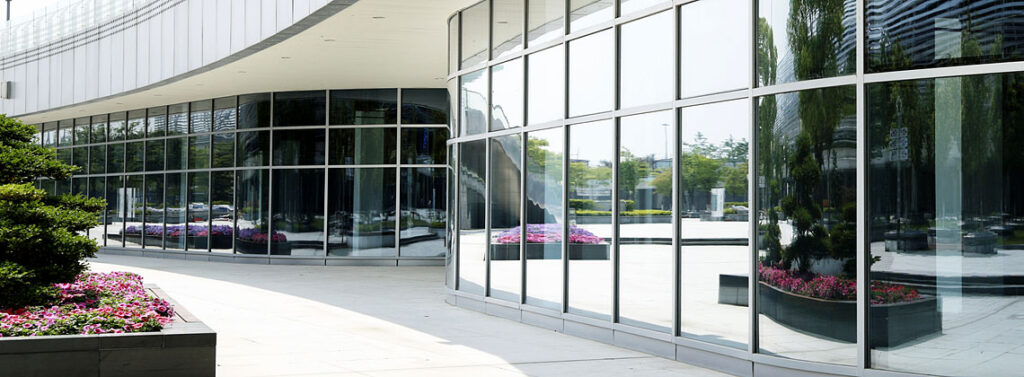
A storefront is a retailer’s most important visual asset. It sets the tone for the entire experience.
Modern storefront systems use expansive glass panels to:
- Maximize visibility
- Showcase merchandise
- Attract foot traffic
- Create a clean, upscale appearance
With options for frameless or minimal-frame systems, retail storefronts can achieve a seamless look that allows passersby to see deep into the space. Glass thickness, hardware selection, and glazing type all vary depending on security needs and building conditions.
Why it matters: Your storefront becomes a silent salesperson, drawing customers in before they even reach the door.
2. Entrances and All-Glass Door Systems
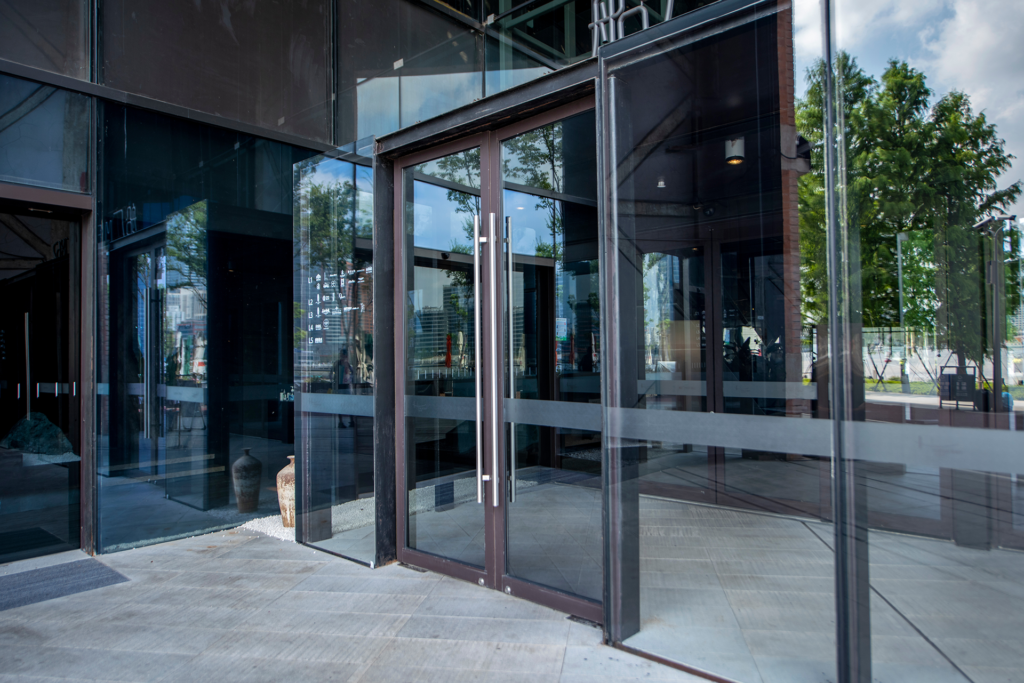
Retail entryways must be both inviting and secure. Glass door systems support:
- Easy customer flow
- Accessibility
- Clear sightlines
- Modern aesthetics
Options include swinging, sliding, and automatic doors, as well as all-glass entrances commonly used in high-end retail environments. These create a sophisticated, open feel that aligns with contemporary branding.Why it matters: Customers enter without hesitation, and the entrance reinforces the retailer’s identity from the start.
3. Interior Glass Walls and Partitions
Retailers use interior glass partitions to define sections of the store while preserving an open layout. These solutions work well for:
- Specialty departments
- Luxury brand zones
- Fitting room corridors
- Back-of-house visibility zones
Glass allows staff to observe customer patterns, maintain security, and create a sense of openness throughout the store. Frosted or patterned glass can add privacy when necessary without feeling heavy or enclosed.
Why it matters: Stores remain open, bright, and easy to navigate, improving the overall shopping experience.
4. Display Cases and Product Showcases
Glass display cases are essential in retail sectors where merchandise must be protected yet fully visible. These include:
- Jewelry
- Electronics
- Cosmetics
- Collectibles
- Luxury goods
High-quality display glazing ensures clarity, durability, and security. Tempered or laminated glass can be used depending on impact requirements. Hardware, locks, and shelving systems are chosen based on the level of protection needed.
Why it matters: Merchandise becomes the focal point while remaining secure and accessible.
5. Mirrors and Visual Expansion
Mirrors are a powerful tool in retail design. They:
- Create the illusion of larger spaces
- Improve lighting
- Increase product visibility
- Enhance fitting rooms
- Support merchandising strategies
Large-scale wall mirrors make small retail footprints feel expansive, while strategically placed mirrors highlight product displays and brighten darker areas.
Why it matters: Customers feel more comfortable, and the space becomes easier to explore and enjoy.
6. Back-Painted Glass for Branding and Feature Walls
Back-painted glass offers a clean, smooth, and modern alternative to traditional wall finishes. It is commonly used for:
- Cashwrap backdrops
- Feature walls
- Signage and branding
- Menu boards in food retail
- Fitting room accent walls
The color options are virtually limitless, allowing retailers to match brand palettes perfectly. The surface is also easy to clean, durable, and maintains its appearance over time.Why it matters: Brand identity becomes integrated into the physical environment with clarity and consistency.
7. Glass Railings and Balustrades
For multi-level stores, open mezzanines, or escalator areas, glass railings support both design and safety. They provide:
- Uninterrupted views of merchandise
- Modern architectural appeal
- Safe, code-compliant barriers
- Enhanced natural light flow
Retailers often use glass railings to keep customers visually connected to multiple levels of the store.
Why it matters: Customers can see more product from more angles, encouraging movement and discovery.
8. Security Glass and Protective Barriers
Retail environments face daily wear, heavy foot traffic, and evolving security challenges. Glass can be engineered to enhance safety without sacrificing visibility. Options include:
- Laminated security glazing
- Impact-resistant glass
- Anti-theft display cases
- Cashwrap protective barriers
- Fire-rated glass where required
These systems support both customer confidence and operational safety.
Why it matters: The store remains open and inviting while meeting the retailer’s security needs.
Key Considerations When Choosing Retail Glass Applications
Selecting the right glass solutions begins with understanding your space, your merchandise, and your customer experience goals. When planning a retail project, consider the following:
1. Store Traffic Patterns
How customers move through your space will influence where glass walls, doors, and displays make the most sense.
2. Lighting Conditions
Glass amplifies natural and artificial light. Plan based on where brightness can support merchandise visibility.
3. Security Requirements
Not all merchandise has the same risk level. Consider glazing types that balance transparency with protection.
4. Brand Identity
Glass elements should enhance the retailer’s look, feel, and storytelling across the space.
5. Durability
Retail environments demand solutions that can withstand constant use while maintaining clarity and appearance.
Creating Retail Spaces That Customers Want to Explore
Retail success depends on more than a beautifully designed store. It requires an environment that feels welcoming, functional, secure, and aligned with the brand. Glass plays a central role in achieving all of these goals.
By understanding the most impactful retail glass applications—and the purpose each one serves—you can design commercial spaces that attract customers, encourage interaction, and enhance the overall shopping experience.
From storefronts and entrances to display cases and feature walls, thoughtful glass design transforms retail spaces into destinations.
If you’d like, I can also create a matching social media post, headline options, or a condensed one-page version for marketing materials.